
Workwear compliance, explained plainly.
The class systems, test standards and documentation behind hi-vis and FR workwear — written for buyers, not labs.
- ANSI/ISEA 107
- NFPA 2112 & 70E
- EN ISO 20471 & 11612
- OSHA requirements
Know what you are buying
Four deep guides covering the standards that decide whether a workwear program is compliant.
ANSI Hi-Vis Classes
Understand ANSI/ISEA 107-2020 high-visibility classes: background and retroreflective area requirements, Class E trousers, garment types and how to choose..
FR & Arc Flash Standards
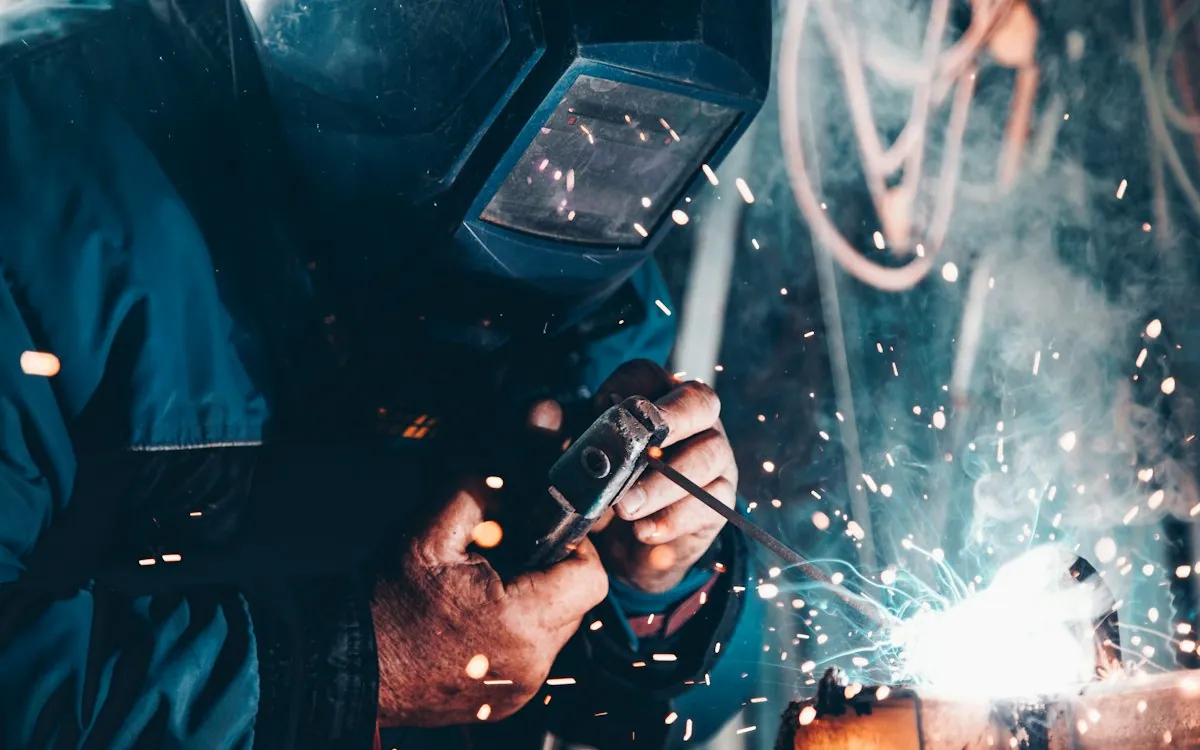
NFPA 2112 flash fire vs NFPA 70E arc flash: what each standard tests, CAT levels, ATPV values and how to build a compliant FR clothing program..

OSHA Requirements
OSHA PPE requirements for work clothing: hazard assessment, employer-paid PPE, training, hi-vis and FR references under 29 CFR 1910 and 1926..
EN ISO Standards
EN ISO 20471 hi-vis classes, EN ISO 11612 heat and flame codes, EN 343 rain ratings and EN ISO 11611 welding classes for European buyers..
Put two options side by side
Class, standard and garment comparisons in one place, plus a spec sheet you can send to your team.
Open comparison tablesANSI Class 2 vs Class 3
Area requirements, tape layout and where each class is normally specified.
Compare classesANSI, EN ISO and CSA
Three visibility schemes, three rulebooks — and why a label does not transfer.
Compare standardsBuyer spec sheet
MOQ, sampling, production, packaging and size defaults on one printable page.
Download PDFPractical workwear advice
Fabric, fit, decoration and sourcing guides from our blog — grouped by topic.
All articlesHi-Vis Clothing Guides
Practical guides to high-visibility workwear: ANSI class differences, tape types, buying advice and compliance tips for contractors and distributors..
Browse topicFR & Arc-Rated Clothing Guides
Flame-resistant and arc-rated clothing explained: NFPA 2112 vs 70E, ATPV ratings, fabric choice and program management for oil, gas and electrical crews..
Browse topicCoveralls & Overalls Guides
Coveralls vs overalls, insulated bibs, sizing and fabric guides for trades, farms, workshops and industrial teams..
Browse topicWork Pants Guides
Work pants buying guides: duck vs twill, cargo vs carpenter, stretch ripstop, knee reinforcement and sizing for crews..
Browse topicWork Shirts & Jackets Guides
Guides to work shirts, polos, hoodies and jackets: fabrics, decoration methods, layering systems and uniform program tips..
Browse topicPPE & Protective Clothing Guides
PPE guides for workwear buyers: cut-resistant glove levels, disposable coveralls, chemical protection and selecting protective clothing..
Browse topicWorkwear & Uniform Guides
Workwear sourcing and uniform program guides: choosing a manufacturer, MOQ, sampling, branding, sizing and managing multi-site rollouts..
Browse topicCompliance questions
Which hi-vis class do I need?
It depends on traffic speed, lighting and the site plan. General site work usually specifies Class 2; night work, high-speed roads and flaggers usually require Class 3. See the ANSI 107 guide for the area requirements.
What is the difference between NFPA 2112 and NFPA 70E?
NFPA 2112 covers flash-fire protection for industrial workers; NFPA 70E covers electrical safety, including arc-rated clothing with an ATPV or arc rating. Some garments meet both.
Does ANSI certification transfer to EN markets?
No. ANSI/ISEA 107, EN ISO 20471 and CSA Z96 are separate standards with different testing and labeling. A garment must be certified and labeled for the market where it is sold.
Can you help review a workwear spec?
Yes. Send the standard, class and intended use — we will confirm the fabric, tape and labeling route and flag anything that may not pass testing.
Need help translating a standard into a garment spec?
Send the standard, class and use case. We will confirm the fabric, tape and labeling route before you order.