ANSI Class 2 vs Class 3: What's the Difference?
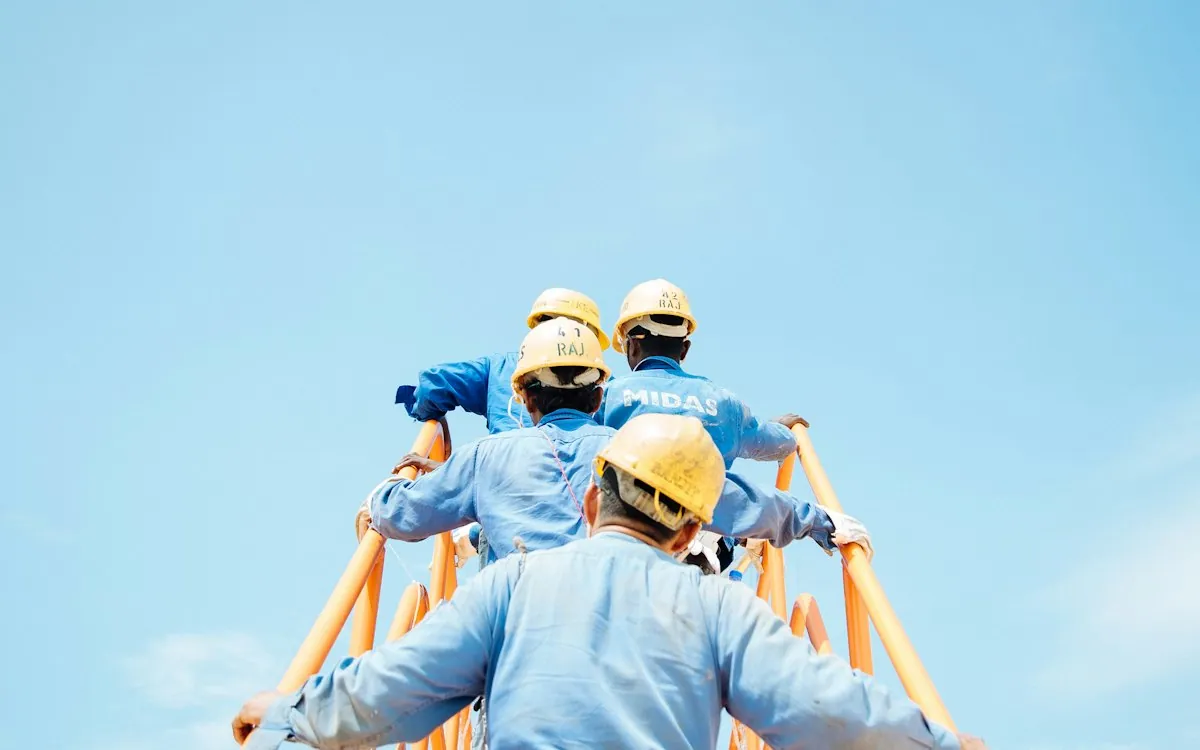
ANSI Class 2 and Class 3 hi-vis garments look similar but have different visible-area requirements. Here is how to choose, and when a Class 2 shirt becomes Class 3.
Read guide Sep 18, 2026
A uniform logo has to survive washing, abrasion and sun. The decoration method you choose affects how the logo looks on day one and how it looks after fifty washes. Here is how the main options compare.
Embroidery stitches thread into the fabric, so it does not crack or peel. It suits polos, hoodies, jackets and caps, and looks premium on corporate uniforms.
Strengths: durable, professional, works on textured fabrics, easy to personalize names. Weaknesses: limited detail in small logos, heavier cost for large back designs, can pucker on lightweight knits. Best for: left-chest logos, names, caps, outerwear.
Screen printing applies ink through a mesh, producing bold, opaque graphics. Plastisol inks are the standard for t-shirts; water-based inks feel softer.
Strengths: cost-effective at volume, strong colors, good for large back prints. Weaknesses: can crack over time on heavy stretch, not ideal for small runs (setup costs per color), limited on fleece and textured fabrics. Best for: t-shirts, large back prints, promotional runs.
Heat transfer uses a printed film applied with a press. It handles full-color, detailed artwork without per-color setup.
Strengths: detailed logos, low setup cost, good for small runs and names. Weaknesses: can crack or peel if applied poorly, feel on the fabric, durability depends on film quality. Best for: detailed logos on small runs, names, numbers.
Patches are sewn or heat-sealed onto the garment. They add a tactile, workwear look and can carry fine detail.
Strengths: durable, premium appearance, easy to replace. Weaknesses: additional cost, extra production step. Best for: brand patches on bibs, jackets and coveralls.
| Method | Wash durability | Detail | Setup cost | Best volume |
|---|---|---|---|---|
| Embroidery | Excellent | Medium | Medium (digitizing) | Any |
| Screen print | Good | High | High per color | 100+ |
| Heat transfer | Good | Very high | Low | Any |
| Woven patch | Excellent | High | Medium | 300+ |
For 500 polos with a left-chest logo, embroidery is usually the best balance of look and durability. For 500 t-shirts with a large back print, screen printing wins. For 30 hoodies with a detailed logo, heat transfer avoids setup costs.
Ask your supplier for a stitch-out or test print on the actual fabric before bulk production. A logo that looks good on a white cotton sample may perform differently on a dark performance knit.
Match the method to the garment and the volume: embroidery for corporate polos and outerwear, screen print for t-shirt volume, transfers for detail and small runs, patches for a workwear look. Always test on the production fabric.
Our custom work shirts service includes free digitizing and sample stitch-outs, and we decorate FR and hi-vis garments with certified materials.
ANSI Class 2 and Class 3 hi-vis garments look similar but have different visible-area requirements. Here is how to choose, and when a Class 2 shirt becomes Class 3.
Read guide Sep 18, 2026How to buy hi-vis workwear that passes a site audit and survives real work: standards, fabrics, tape, fit, decoration and supplier checks.
Read guide Sep 5, 2026FR and arc-rated are not interchangeable. Learn what each rating tests, how ATPV works, and how to specify clothing for flash fire and arc flash hazards.
Read guide Aug 28, 2026Send your styles, quantities and destination. We reply within one business day with fabric options, lead time and a landed-cost estimate.